
Hanging knee raises: A great core exercise sabotaged by its own name.
You’d be forgiven for thinking the “Hanging Knee Raise” meant “raise your knees.”
Read more
DC, Pre-Script® Founder
You’d be forgiven for thinking the “Hanging Knee Raise” meant “raise your knees.”
Read more
The chest-supported machine row is a classic “grip-it-and-rip-it” style of exercise, best executed with maximal exertion and minimal thought. Torso position, thorax orientation, and grip determine which part of the back you’re training, and how well you’re training it.
Read more
Position dictates function, so find the right positions first.
Read more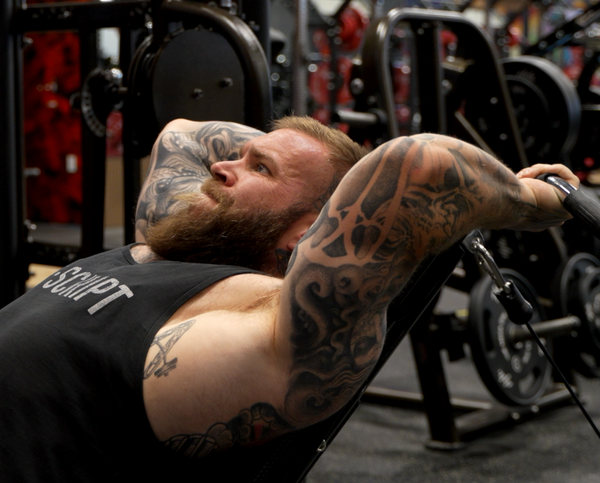
The Skull Crusher is great exercise, and losing it to pain is avoidable.
Read more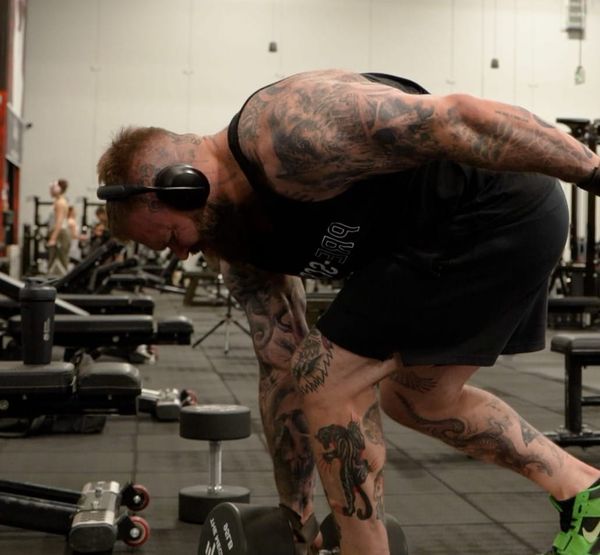
Instead of overcueing, use a COM constraint to make B-Stance RDLs actually useful.
Read more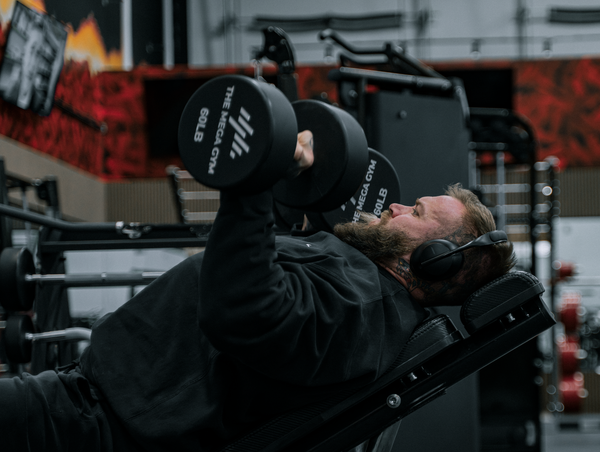
The key distinction of the dumbbell press is that it allows the shoulder to express rotation in the context of a compound exercise, which has big upside potential for hypertrophy and shoulder function. The downside is that it demands precise execution to make it work.
Read more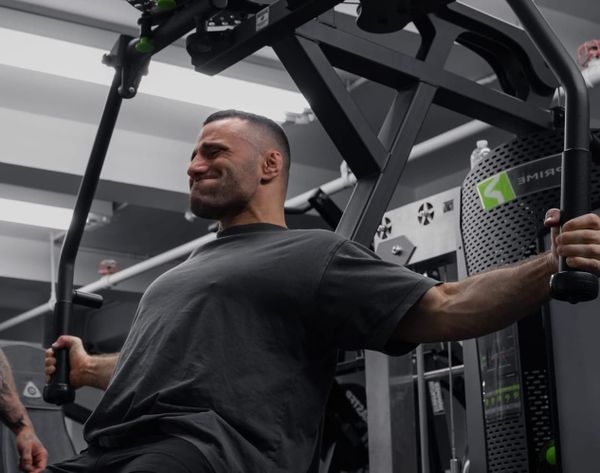
Greater range of motion in a given exercise is not automatically “better.” It's a good general heuristic that generally leads to better outcomes across the board; but just like any other heuristic, it has more than its fair share of exceptions. The pec fly is one such case.
Read more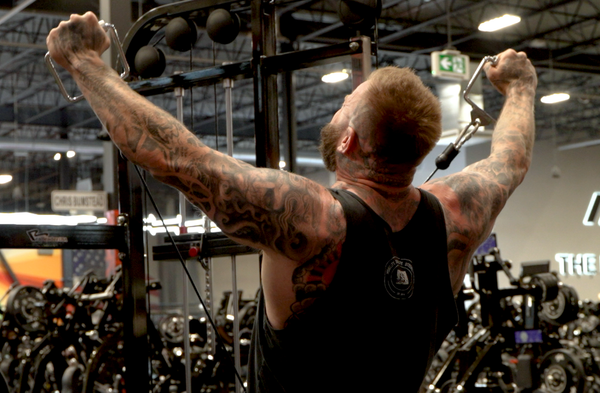
Joint restrictions put a cap just how closely we can reach true physiological failure. The shoulder, which relies on the complex integration of many parts to move, is particularly susceptible. Enter the Cable Y-Raise: an exercise that specifically challenges the shoulder’s integrated nature.
Read more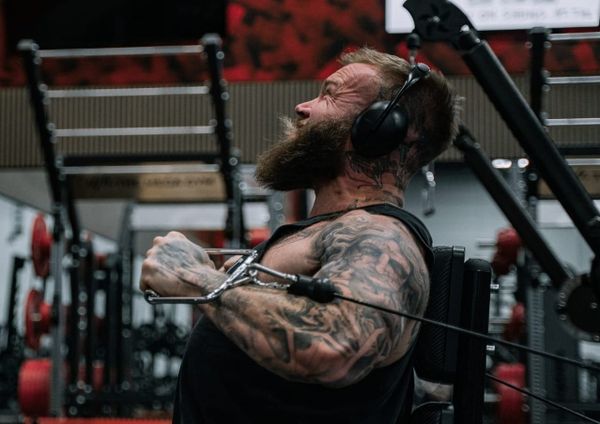
Science-based critique is generally well-meaning in intent, but often suffers from an environmental disconnect in practice. With supersets and dropsets, the argument is that they offer no greater benefit over regular straight sets, but this stance ignores a crucial real-world constraint: time.
Read more
A properly-loaded set of Bulgarian Split Squats performed near failure is a quasi-religious experience. That’s because it’s a massively effective powerhouse of an exercise that rewards send-it-and-don’t-look-back levels of effort.
Read more