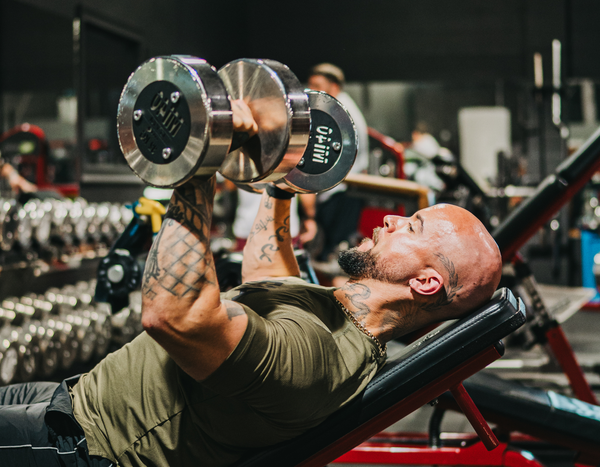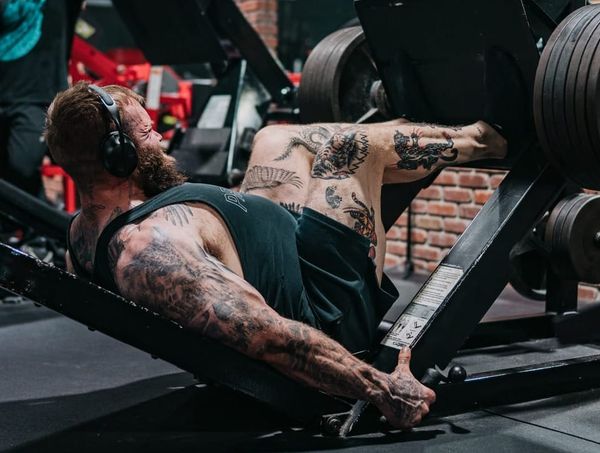
Fix your thoracic spine rotation.
Thoracic rotation is driven by distinct muscular action at the top and bottom of the ribcage: the obliques act on the lower ribs, while the serratus anterior and rhomboids act on the upper ribs.
Read moreA collection of 29 posts
Thoracic rotation is driven by distinct muscular action at the top and bottom of the ribcage: the obliques act on the lower ribs, while the serratus anterior and rhomboids act on the upper ribs.
Read more
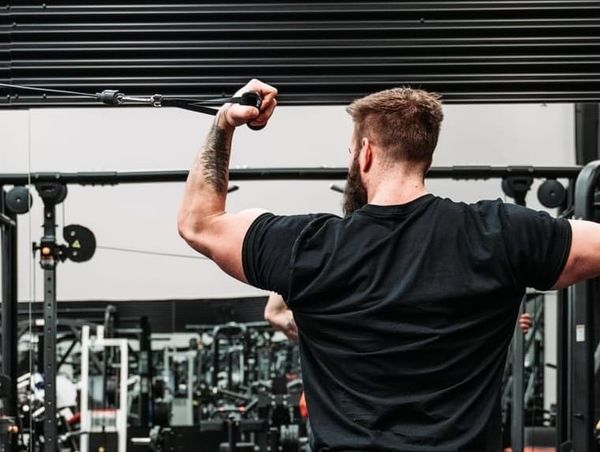
Back training adheres to a hierarchy of training variables: arm path, loading modality, resistance profiles, scapular mechanics, strength curves, and more. Arm path sits at the top of this hierarchy.
Read more
Bad glute activation is never a consequence of the muscle not being neurologically “switched on”. The glutes are crazy strong, capable of producing huge amounts of force. The heart of the issue, however, is that this force needs a safe way to be transferred to the ground and to the load.
Read more
Targeted musculature, type of stimulus, training frequency, mobility limitations, concurrent pull sessions: These factors inform how to select exercises, order them within a workout, and set correspondent volume and intensity parameters.
Read more
Physiological recovery: what happens, how long it takes, and when to train next.
Read more
The timeless art of dressing up the “thing they need” as the “thing they want.”
Read more
"You can't go somewhere you already are": The counterintuitive approach to ankle mobility.
Read more
Let’s be deliberate with pull day exercise selection, sequencing, and execution.
Read more
Restricted hip internal rotation means leaving lower body gains on the table. As a solution, stretching won’t cut it. The neural mechanism behind hip IR restrictions requires developing the ability to keep your pelvis in one place.
Read more