
“No Range” vs “No Variability”
Do they truly lack range? Or are they already in the very range they need, but stuck there?
Read moreA collection of 42 posts
Do they truly lack range? Or are they already in the very range they need, but stuck there?
Read more
There’s a lot to love about the B-Stance RDL: glute hypertrophy, hip mobility, hip function, and lumbar anti-rotation all rolled up into one extremely efficient exercise that can build up to pretty heavy weights.
Read more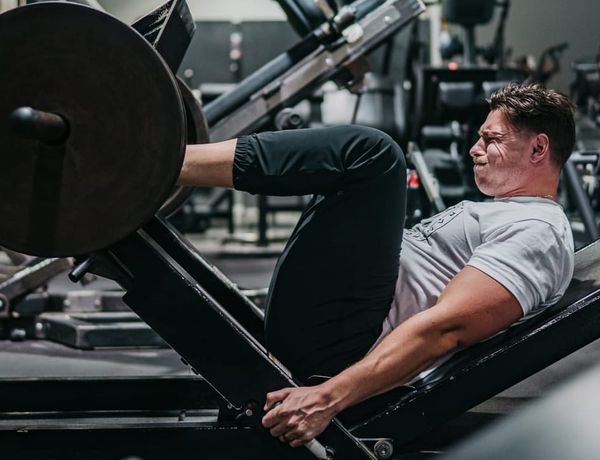
Your setup can bias glutes, quads, or adductors... but it’s easy to ruin the exercise.
Read more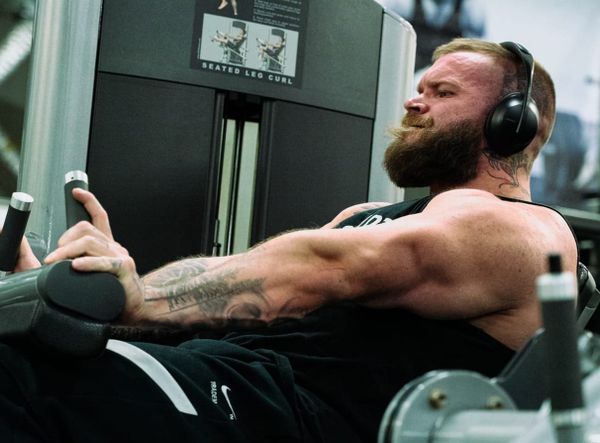
Toes up, shins in, work like hell.
Read more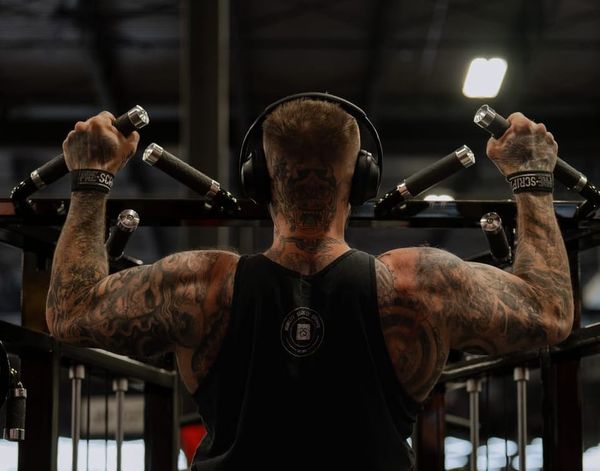
From shoulder mechanics to mechanical advantages, grip sets the trajectory of what exactly the pull-up trains.
Read more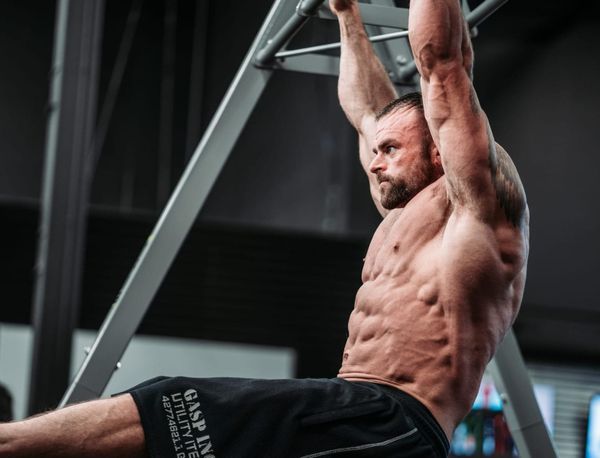
You’d be forgiven for thinking the “Hanging Knee Raise” meant “raise your knees.”
Read more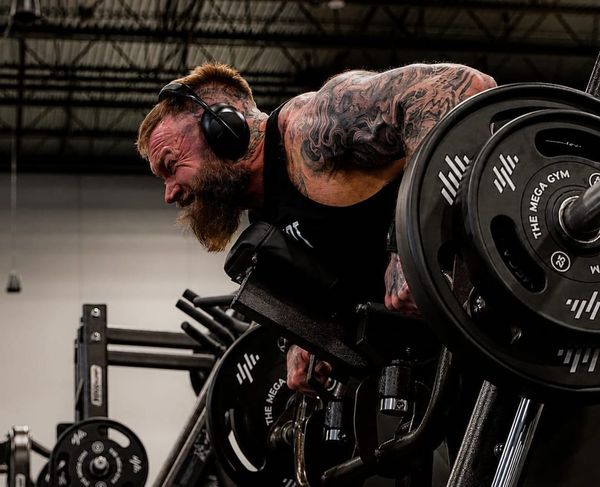
The chest-supported machine row is a classic “grip-it-and-rip-it” style of exercise, best executed with maximal exertion and minimal thought. Torso position, thorax orientation, and grip determine which part of the back you’re training, and how well you’re training it.
Read more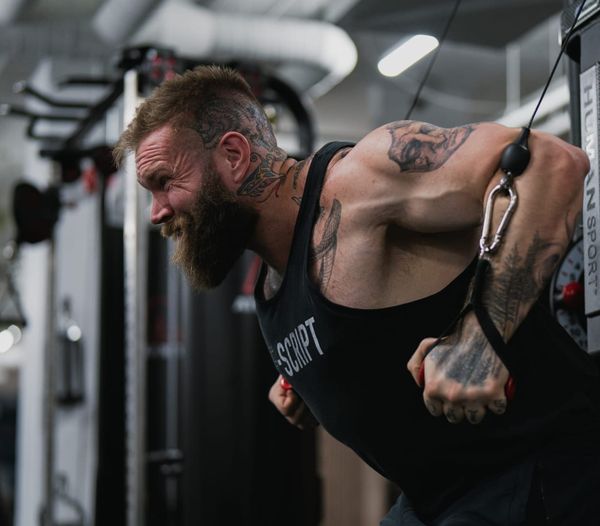
Position dictates function, so find the right positions first.
Read more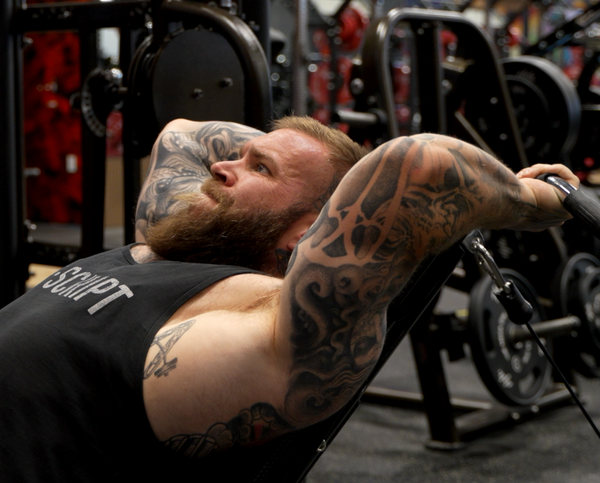
The Skull Crusher is great exercise, and losing it to pain is avoidable.
Read more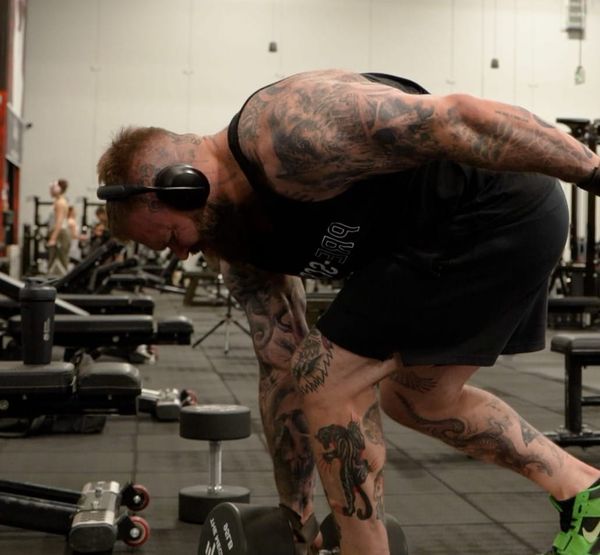
Instead of overcueing, use a COM constraint to make B-Stance RDLs actually useful.
Read more